
Category: Value Added Tax
-

The temporary 5% reduced rate of VAT introduced for certain children’s meals, tickets and family attractions ended on 1 September 2026. The relief applied from 25 June 2026 and was intended to reduce the cost of selected activities and services for
-

Businesses that register for VAT may be able to reclaim VAT paid on certain goods and services purchased before VAT registration. There are specific time limits for claiming pre-registration VAT. VAT on goods can generally be reclaimed where the
-

Small businesses have several VAT schemes available that can simplify VAT administration and may help with cash flow. However, as a business grows or its circumstances change, it is important to review whether the VAT scheme being used is still the
-

The Government has launched a consultation on proposals that could significantly change the way VAT is collected on goods sold through online marketplaces. Although the changes are not yet law, they could affect thousands of UK businesses that use
-

If your business is VAT registered, you can usually reclaim VAT on many of the goods and services you buy for business purposes. However, many businesses fail to claim everything to which they are entitled and may be able to recover more VAT. You
-

Businesses must register for VAT if their taxable turnover exceeds the VAT registration threshold, or if they expect it to exceed the threshold in certain circumstances. The VAT registration threshold is currently £90,000. The threshold applies to
-

The option to tax is a VAT election that allows businesses to treat supplies of most non-residential land and buildings as taxable rather than VAT exempt. Once an option to tax is made, supplies in relation to that property are generally subject to
-

The VAT Cash Accounting Scheme can help businesses improve cash flow by allowing VAT to be accounted for when customers actually pay invoices, rather than when invoices are issued. This can be particularly beneficial for businesses that offer credit
-
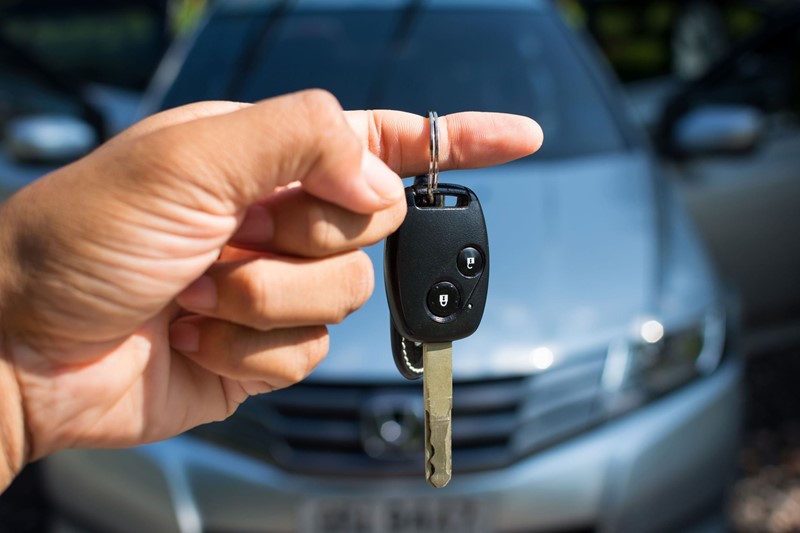
Businesses that lease cars often assume they can recover all of the VAT charged on car leasing payments. In practice, the rules are more limited. Where a business leases a qualifying car, HMRC normally only allows 50% of the VAT on the leasing
-

The VAT treatment of car leasing is an important consideration for businesses that incurs VAT on these costs. In general, leasing companies are able to recover the VAT incurred on the purchase of cars, provided the vehicles are leased out at a