
-

When someone agrees to become a director of a UK limited company, they take on a set of legal responsibilities defined under the Companies Act 2006 and other relevant legislation. These duties are not just symbolic – directors have a legal obligation
-
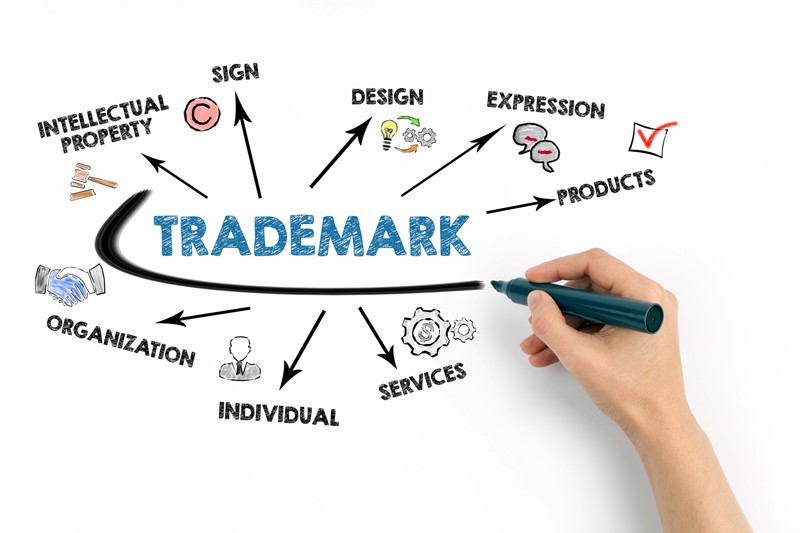
A trade mark is a vital tool for protecting the identity and reputation of your business. It can take the form of a name, logo, slogan, shape, or even a sound, and once registered, gives you exclusive rights to use that mark in connection with
-

An Employment Tribunal confirmed that using an employer’s preferred method of communicating with employees to send offensive messages can serve as a ground for dismissal. A claimant was employed from September 2017 as a graduate trainee and then as a
-
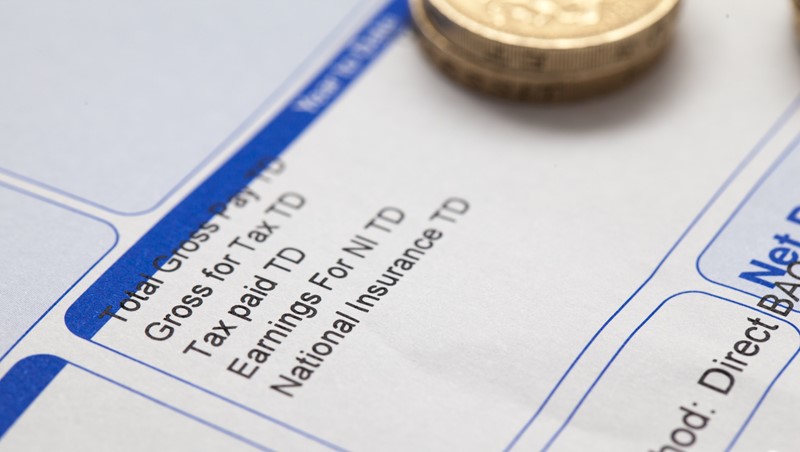
Employers must pay Class 1A NICs on 2024-25 benefits by 19 July (22 July if paying electronically). Avoid penalties by meeting deadlines and using correct references. Employers are reminded of the upcoming Class 1A National Insurance contributions
-

Following a Bank Rate cut to 4.25%, HMRC late payment and repayment interest rates will drop from 19 and 28 May 2025. Check which taxes this affects. The Bank of England’s Monetary Policy Committee (MPC) met on 8 May and, in a narrow 5-4 vote,
-

MTD for Income Tax starts 6 April 2026 for the self-employed and landlords with £50k+ income. Plan early to stay compliant and avoid disruption. MTD represents one of the most significant overhauls to the self-assessment regime since its
-

Is your child starting school this September? Tax-Free Childcare could save you up to £2,000 a year. Check your eligibility now and start planning ahead. Working families whose children are starting school for the first time September 2025 could
-
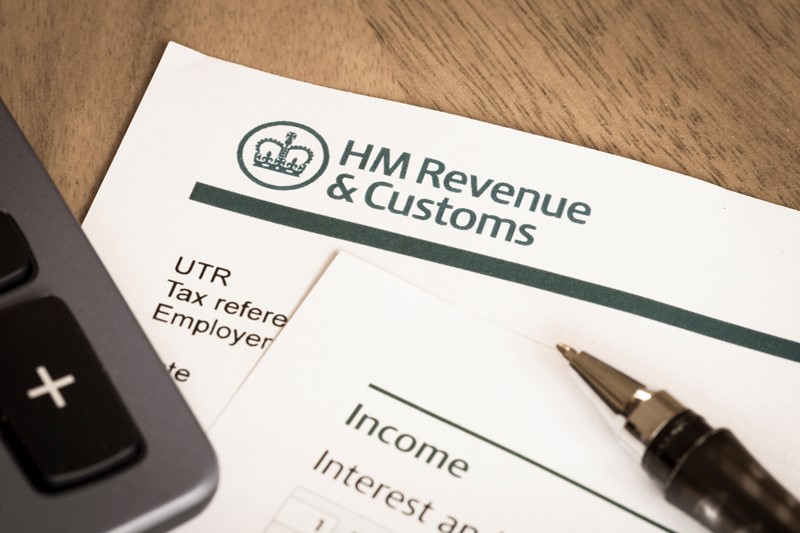
Filing your 2024-25 Self-Assessment return early means faster refunds, better budgeting, and no deadline stress. Do not delay, start gathering your tax details today. The 2024-25 tax year officially ended on 5 April 2025, with the new 2025-26 tax
-

For small and medium-sized enterprises (SMEs), adopting accounting software offers a range of practical benefits that help streamline financial management, reduce errors, and improve decision-making. Here are the key advantages: Time-Saving
-

On 8 May 2025, the UK government announced a landmark trade agreement with the United States, aimed at reducing tariffs and bolstering key British industries. This deal is projected to save thousands of jobs, particularly in the automotive and steel